TLDR: Australian Slip Testing provides NATA-accredited slip resistance testing for builders, developers, flooring contractors, and certifiers across Australia. We test installed floor surfaces at pre-handover, post-installation, and remediation stages to confirm real-world compliance with AS 4586, AS 4663, and NCC requirements. Manufacturer ratings alone are not sufficient evidence of compliance on an installed surface. Call 0405 042 814 or email info@australiansliptesting.com.au to discuss your project requirements.
Slip resistance testing is an important part of the construction process for builders, developers, flooring contractors, and certifiers across Australia. Whether you are managing a residential development, a commercial fit-out, or a large infrastructure project, independent slip resistance testing provides documented verification that floor surfaces meet required classifications before handover.
Australian Slip Testing provides NATA-accredited slip resistance testing for builders and construction projects across Australia, supporting compliance verification, pre-handover testing, and post-installation assessments at every stage of the construction process.
Why Slip Resistance Testing Matters in Construction
Flooring products are supplied with laboratory-based slip resistance classifications, typically P ratings or R ratings under AS 4586. However, laboratory ratings are obtained under controlled conditions using new, uninstalled samples. Real-world performance can differ from laboratory results for a number of reasons.
Installation methods, adhesives, and grouting can affect surface texture and slip resistance. Surface contamination during the construction process including dust, cement residue, and construction chemicals can alter performance. Variations in substrate preparation can affect how a surface material performs once installed. Wear, exposure, and environmental conditions during the construction program can affect the finished surface.
On-site slip resistance testing conducted in accordance with AS 4663 provides actual performance data on the installed surface, which is the only reliable way to confirm real-world compliance before handover. For a full explanation of Australian slip resistance classifications including P ratings, R ratings, D ratings, and A-C barefoot ratings, see our guide to Australian slip resistance ratings.
Why Manufacturer Ratings Alone Are Not Enough
One of the most common misconceptions in construction is that a flooring product supplied with a P rating or R rating from the manufacturer is sufficient evidence of compliance at handover. It is not.
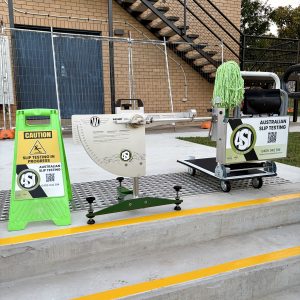
Manufacturer ratings are obtained in laboratory conditions on new, uninstalled samples. They do not account for the effect of adhesives, grout, and installation methods on surface texture, surface contamination from the construction process, variations in substrate preparation and levelness, wear and exposure during the construction program, or the specific environmental conditions of the installed location.
Independent on-site testing conducted after installation is the only reliable way to confirm that the installed surface meets required classifications in its actual condition. This is particularly important for certifiers and building owners who require documented compliance evidence rather than manufacturer data sheets.
NCC Slip Resistance Requirements for Construction Projects
The National Construction Code includes minimum slip resistance requirements for specific building elements in both residential and commercial construction. Understanding where these requirements apply is essential for builders, certifiers, and building designers.
The NCC requires minimum slip resistance classifications for stair treads, stair landings, stair nosings, and ramps in both Class 1 and Class 2 to 9 buildings. These requirements apply to both wet and dry conditions depending on the location and exposure of the surface. NCC requirements apply to specific building elements only and do not cover all pedestrian surfaces in a building. Slip resistance obligations for other areas are governed by workplace health and safety legislation, duty of care obligations, and project specifications.
For a full breakdown of NCC slip resistance requirements including the specific P rating and R rating classifications required for stairs, ramps, and nosings, see our guide to NCC slip testing requirements.
When Slip Testing Is Required During a Construction Project
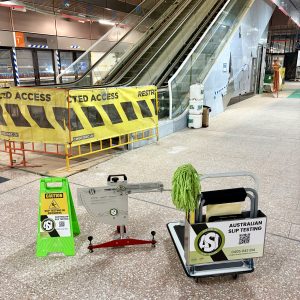
Pre-handover testing is the most common reason builders engage Australian Slip Testing. Testing conducted prior to practical completion confirms that installed floor surfaces meet required slip resistance classifications and project specifications before the building is handed over to the client, certifier, or building owner. Pre-handover testing reduces the risk of disputes, defect claims, and costly rectification works after handover.
Post-installation verification is conducted following the installation of new flooring to confirm that the installed surface performs as specified. This is particularly important where flooring has been specified with a particular slip resistance classification, as installation conditions can affect real-world performance. Post-installation testing provides documented evidence that the flooring contractor has delivered the specified outcome.
Certifier and inspector requirements sometimes include independent slip resistance testing as a condition of a compliance certificate or occupancy permit, particularly for stairways, ramps, and external pedestrian areas. NATA-accredited testing provides the independent, traceable documentation that certifiers require.
Defect liability period testing is conducted during the defect liability period following handover to confirm that surfaces continue to meet required classifications. This is particularly relevant for external surfaces exposed to weathering and wear during the defect liability period.
Remediation verification confirms that remediation works carried out to address a slip resistance defect have achieved the required outcome before the defect is formally closed.
Slip Testing for Residential Construction
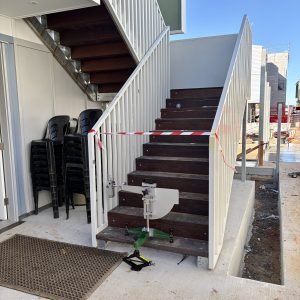
In residential construction, slip resistance requirements under the NCC apply to stairways and ramps in Class 1 buildings including houses, townhouses, and dual occupancies, as well as Class 2 buildings including apartment developments. Common areas that may also benefit from slip resistance testing in residential construction include external balconies and alfresco areas, pool surrounds and spa areas, bathroom and wet area floors, and garage and basement transition zones.
South East Queensland’s high-density residential construction activity, including apartment developments across Brisbane, the Gold Coast, and the Sunshine Coast, generates significant demand for pre-handover slip testing. Australian Slip Testing regularly supports residential builders and developers across the region with fast turnaround testing and reporting to meet practical completion deadlines.
For builders and developers working across Northern New South Wales, see our pages for Mid-North Coast slip testing and Ballina and Northern Rivers slip testing.
Slip Testing for Commercial Construction
In commercial construction, slip resistance requirements apply across a broader range of building types and uses including office buildings, retail centres, hospitality venues, healthcare facilities, aged care developments, industrial facilities, and mixed-use developments. Commercial construction projects typically involve a greater number and variety of surface types, multiple contractors, and more complex handover documentation requirements than residential projects.
Common areas requiring slip resistance testing in commercial construction include entry foyers and lobbies, corridors and circulation areas, stairways and ramps, external walkways and plazas, car parks and basement areas, amenities and wet areas, commercial kitchen floors, pool surrounds and aquatic areas, and loading docks and transition zones.
Slip Testing for Flooring Contractors
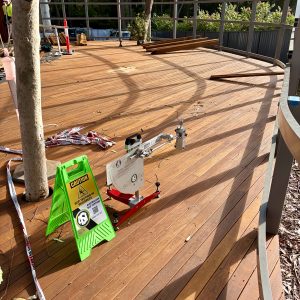
Flooring contractors supplying and installing floor surfaces for construction projects have a direct interest in ensuring installed surfaces meet specified slip resistance classifications. Independent post-installation testing provides flooring contractors with documented evidence that the installed surface performs as specified, supporting their position in any subsequent defect claim or dispute. Australian Slip Testing regularly works with flooring contractors across Australia to provide fast, professional post-installation slip resistance testing and reporting.
What Is Included in a Slip Test Report for Construction Projects
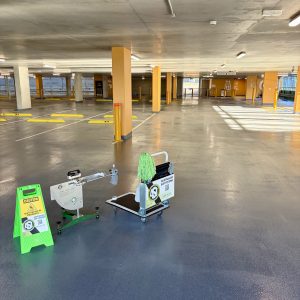
Following testing, Australian Slip Testing provides a detailed report suitable for inclusion in project handover documentation. Each report includes tested areas and surface descriptions, testing methods used including wet pendulum testing and dry floor friction testing, slip resistance classifications achieved under AS 4586 and AS 4663, practical commentary on results, and NATA-accredited laboratory details. This documentation provides builders, certifiers, and building owners with a clear, professional record of surface compliance at handover.
National Coverage for Construction Projects Across Australia
Australian Slip Testing provides slip resistance testing for construction projects across Australia. Whether you are managing a single residential project or a national commercial development portfolio, our team can provide consistent, NATA-accredited testing and reporting across all locations.
Frequently Asked Questions
Is a manufacturer's P rating sufficient evidence of compliance at handover?
No. Manufacturer ratings are produced in laboratory conditions on new, uninstalled samples and do not account for installation variables, substrate preparation, contamination, or wear during the construction program. Independent on-site testing under AS 4663 on the installed surface is the only reliable basis for compliance documentation at handover.
Which surfaces require slip resistance testing under the NCC?
The NCC prescribes minimum slip resistance classifications for stair treads, stair landings, stair nosings, and ramps in both Class 1 and Class 2 to 9 buildings. Other pedestrian surfaces may also require testing under project specifications, workplace health and safety obligations, or duty of care requirements. See our guide to NCC slip testing requirements.
How quickly can testing and reporting be completed?
Australian Slip Testing issues reports the same day for most onsite jobs, making it practical to schedule testing within the final days of a construction program without delaying practical completion. Call 0405 042 814 to discuss scheduling for your project.
Can Australian Slip Testing support multi-site national construction programs?
Yes. Australian Slip Testing provides national coverage across Australia, allowing builders and developers managing projects across multiple states and territories to engage a single NATA-accredited provider with consistent methodology and standardised reporting.
What happens if a surface fails to meet the required classification?
If a surface does not achieve the required classification, Australian Slip Testing provides clear documentation of the result including the tested values and applicable classification thresholds. This allows the builder or flooring contractor to identify the scope of the issue and undertake remediation before handover. Post-remediation verification testing confirms the surface has achieved the required outcome.
Arrange Slip Testing for Your Construction Project
Call 0405 042 814 or email info@australiansliptesting.com.au to discuss your project requirements and arrange testing at a time that fits your construction program.
Related Slip Testing Guides
Is Slip Testing Required Under the National Construction Code (NCC)?
Slip resistance is a critical safety consideration in buildings across Australia, but is slip testing actually required under the National Construction Code (NCC).

Australian Slip Resistance Ratings Explained
TLDR: Australian slip resistance ratings classify how slip-resistant a surface is under AS 4586. Four testing methods produce four separate rating scales: P ratings (wet pendulum),
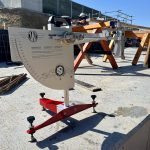
What is Wet Pendulum Slip Testing?
Wet pendulum slip testing is a widely used and reliable method for measuring slip resistance on floor surfaces in wet conditions. This test uses a calibrated pendulum device to sim
How Often Should Slip Testing Be Conducted?
TLDR: There is no fixed mandatory testing interval under Australian Standards. How often slip testing should be conducted depends on the environment, traffic levels, surface type,