
Is Slip Testing Required Under the National Construction Code (NCC)?

TLDR: The NCC requires minimum slip resistance on stairs, ramps, and landings under AS 4586. It does not mandate slip testing across every surface, but independent onsite testing is the most reliable way to verify compliance and demonstrate due diligence. For NATA-accredited slip testing anywhere in Australia, call Australian Slip Testing on 0405 042 814.

Slip resistance is a critical safety consideration in buildings across Australia, but does the National Construction Code actually require slip testing?

The answer is more nuanced than most expect. The NCC does mandate minimum slip resistance classifications in certain high-risk areas, but it does not broadly require slip testing across every floor surface. Understanding the distinction matters whether you are a builder, architect, facility manager, or property owner.

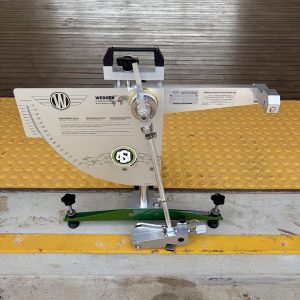
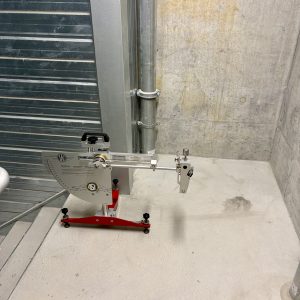
Slip testing stair nosing
Pendulum testing on stair nosing

What the NCC Requires

The NCC sets minimum slip resistance requirements for areas of elevated pedestrian risk, specifically stair treads and landings, ramps, and nosings. In these locations, surfaces must meet minimum slip resistance classifications determined in accordance with AS 4586, which defines the testing methods and classification systems used in Australia, including P ratings from the wet pendulum test and R ratings from the ramp test.

Slip testing is the standard method used to verify that these requirements are met.

Why These Areas Are Singled Out

The NCC’s focus on stairs, ramps, and landings reflects the elevated consequences of a slip in these locations. Changes in level dramatically increase injury potential, and these surfaces are frequently exposed to water, contamination, and high pedestrian traffic. External exposure accelerates surface wear further. A slip on a staircase is categorically more dangerous than a slip on a level floor, which is why the NCC draws a clear line here.

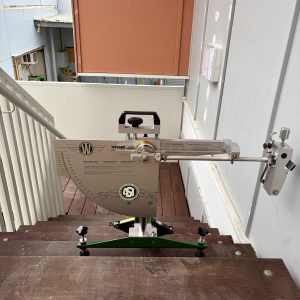
NCC pendulum slip test on stair treads
Pendulum test on new stair treads

Where the NCC Does Not Mandate Slip Testing

Outside the specific areas listed above, the NCC does not universally require slip testing. However, independent testing is widely conducted across external walkways, shopping centres, hospitals, aged care facilities, pool surrounds, commercial kitchens, and schools as part of risk management and due diligence programs.

In these environments, testing is typically driven by insurance requirements, safety audits, or the organisation’s own duty of care obligations rather than a specific NCC mandate. The absence of a legislative requirement does not reduce the liability exposure of an organisation that fails to manage a known slip risk.

The Role of AS 4586 and HB 198

AS 4586 is the primary standard referenced by the NCC for slip resistance testing and classification. It defines how slip resistance is measured using the wet pendulum test and the ramp test, and sets the classification systems that apply to different surface types and environments.

HB 198 is a guidance document that provides recommended minimum slip resistance levels across a wide range of surface types and locations. While not mandatory under the NCC, it is widely used by architects, builders, and risk consultants when specifying and verifying floor surfaces and is considered best practice reference material across the industry.

P Ratings, R Ratings, and Their Limitations

AS 4586 produces two main classification types used in Australian compliance work.

P ratings are derived from the wet pendulum test. Because this is an onsite test, it can be conducted on installed surfaces under real-world conditions. P ratings are the primary classification used for NCC compliance verification in Australia.

R ratings are derived from the ramp test, which is conducted in a laboratory setting. While R ratings appear on many imported flooring products and are relevant at the specification stage, they carry a significant practical limitation: they cannot be verified in-situ. Once a surface is installed, there is no way to conduct a ramp test on it. This means R ratings cannot confirm the performance of an installed surface, which is a critical distinction for builders, certifiers, and facility managers relying on them for compliance purposes.

For compliance verification of installed surfaces, P ratings from onsite wet pendulum testing are the only practical option.

Why Manufacturer Ratings Are Not Enough

Flooring products are commonly supplied with P or R ratings from laboratory testing. These ratings are useful at the specification stage, but they do not reflect real-world conditions after installation. Installation quality, surface contamination, cleaning products, environmental exposure, and wear over time all affect how a surface performs in practice. Independent onsite testing captures actual performance data rather than controlled laboratory results, which is why it remains the most reliable method for verifying compliance and managing slip risk regardless of what the product data sheet says.

When Slip Testing Is Typically Conducted

Pre-Handover Testing

Builders and developers commonly conduct slip testing before practical completion to confirm surfaces meet specification and NCC requirements. This reduces the risk of disputes, provides documentation for certifiers, and protects against liability if an incident occurs post-handover. See our guide to slip testing for builders and construction projects.

Post-Installation Verification

Even when flooring is specified with an appropriate slip rating, installation conditions affect real-world performance. Grout joints, surface sealers, and contamination during construction can all alter how a surface behaves underfoot. Post-installation testing verifies that the surface performs as specified under actual conditions rather than controlled ones.

Existing Building Assessments

Slip testing in existing buildings is commonly triggered by incidents, safety audits, changes to cleaning regimes, or routine maintenance programs. How often testing should be conducted depends on the environment, traffic levels, surface type, and the organisation’s broader risk management framework.
Duty of Care and Insurance

For facility managers, strata managers, and property owners, slip testing provides documented evidence of proactive safety management. This is increasingly relevant to insurers and directly relevant in any post-incident investigation. See our strata managers guide to slip testing and our guide to slip testing for facilities management.

Does the NCC Require Slip Testing?

The NCC requires minimum slip resistance classifications on stairs, ramps, and landings under AS 4586. It does not universally mandate slip testing across all surfaces. But testing is the most reliable way to demonstrate that NCC requirements are met where they apply, and it is widely used beyond those areas to manage risk and support due diligence.

For organisations with obligations across schools, aged care, or other vulnerable person environments, the case for regular independent testing goes well beyond NCC compliance alone. See our guide to slip testing for schools and aged care.

NCC pendulum test on fire stairs
NCC pendulum slip test on fire stair landing

Book NATA-Accredited Slip Testing

Australian Slip Testing provides independent, NATA-accredited slip resistance testing across Australia. We conduct wet pendulum and dry floor friction testing in accordance with AS 4586, with same-day reports available for urgent requirements.

Call 0405 042 814 or email info@australiansliptesting.com.au for a quote.

Related Slip Testing Guidance