Slip Testing FAQ and Guides

Common questions answered. Independent, accredited testing across Australia.

This slip testing FAQ covers the most common questions about slip resistance testing in Australia, including testing methods, AS 4586 ratings, NCC compliance requirements, and how to book a NATA-accredited test. Browse by category or scroll to find what you need. Our full library of guides is available at the bottom of the page.

About Slip Testing

What is slip testing?

Slip testing is the measurement of the slip resistance of pedestrian surfaces, either on-site or in a laboratory. It is used to assess floor safety, demonstrate compliance, manage risk, and investigate slip and fall incidents. In Australia, slip testing is conducted under AS 4586 and AS 4663.

What is the wet pendulum test?

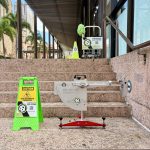
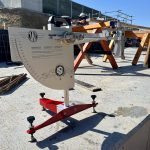
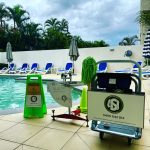
The wet pendulum test uses a swinging pendulum arm fitted with a spring-loaded rubber slider to measure resistance to motion across a wet surface. Results are classified as P ratings from P0 to P5. It is the most widely used slip testing method in Australia because it can be conducted on existing surfaces in situ. More detail: What is Wet Pendulum Slip Testing?

What is dry floor friction testing?

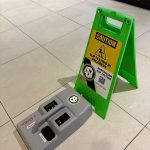
Dry floor friction testing measures the coefficient of friction on dry surfaces using a motorised tribometer. Results are classified as D0 or D1 under AS 4586. It is suitable for internal areas that remain dry and is not appropriate for surfaces that may become wet. More detail: What is Dry Floor Friction Testing?

What is AS 4586?

AS 4586 is the Australian Standard for slip resistance classification of new pedestrian surface materials. It defines the four recognised testing methods used in Australia: wet pendulum, dry floor friction, wet barefoot inclining platform, and oil-wet ramp. It sets out the classification scales for each method and is the primary standard referenced in compliance, risk management, and legal matters involving floor safety.

What is Slider 96 and Slider 55?

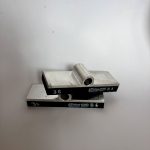
Slider 96 and Slider 55 are the two rubber sliders used in wet pendulum testing under AS 4586. Slider 96 is used for shod pedestrian areas. Slider 55 is used for barefoot environments. Because the rubber hardness differs, the SRV ranges for each P rating classification differ between the two sliders. More detail: Understanding Rubber Sliders in AS 4586.

What is NATA accreditation?

NATA is the National Association of Testing Authorities. NATA accreditation under ISO/IEC 17025 certifies that a testing laboratory operates to an internationally recognised standard of competence and quality. Australian Slip Testing is NATA-accredited, meaning results are independent, defensible, and accepted for compliance audits, insurance claims, and legal proceedings. View our full scope of accreditation on the NATA website. For a detailed guide on why NATA accreditation matters for procurement and risk management, see Is Your Slip Testing Provider NATA Accredited?

Ratings and Results

What are Australian slip resistance ratings?

Australian slip resistance ratings classify how slip-resistant a surface is under AS 4586. Four testing methods produce four separate rating scales: P ratings (wet pendulum), D ratings (dry friction), A-B-C ratings (wet barefoot), and R ratings (oil-wet ramp). Each applies to different environments and cannot be directly compared. More detail: Australian Slip Resistance Ratings Explained.
What is a P3 slip rating?

A P3 rating indicates moderate slip resistance with a Slip Resistance Value (SRV) of 35 to 44 using Slider 96. It is acceptable for many internal wet pedestrian areas depending on risk factors including traffic volume, footwear, and cleaning regimen. P3 is one of the most commonly referenced classifications in commercial compliance assessments.

What is the difference between P ratings and R ratings?

P ratings come from wet pendulum testing and apply to most shod and barefoot pedestrian environments. R ratings come from the oil-wet ramp test and apply primarily to industrial and commercial kitchen environments. The two scales measure different things under different conditions and cannot be converted or directly compared. A surface rated R10 is not equivalent to any specific P rating.

What is the highest slip resistance rating?

The highest rating under each method is P5 (wet pendulum), R13 (oil-wet ramp), and C (wet barefoot inclining platform). These are typically specified for high-risk environments such as industrial facilities, commercial kitchens, and aquatic centres.

What does a wet pendulum result mean for my floor?

A wet pendulum result tells you how slip-resistant your floor is under wet conditions using a standardised rubber slider. A result of P3 or above using Slider 96 is generally considered acceptable for most internal wet pedestrian areas. Results should always be interpreted in the context of the specific environment, traffic levels, and applicable standards.

Compliance and Legal

Is slip testing a legal requirement in Australia?

There is no single law that mandates slip testing across all buildings in Australia. However, the NCC includes minimum slip resistance requirements for stairs, ramps, and nosings. Beyond the NCC, workplace health and safety legislation and duty of care obligations apply across all states and territories. Independent, NATA-accredited slip testing is the most practical and defensible way to demonstrate compliance with these obligations. More detail: NCC Slip Resistance Requirements.

What does the NCC require for slip resistance?

The National Construction Code includes Deemed-to-Satisfy slip resistance requirements for stair treads, stair nosings, ramps, and stairway landings. It does not prescribe minimum requirements for all pedestrian surfaces. Minimum classifications include P3 or R10 for dry stairs and ramps, and P4 or R11 for wet conditions. The NCC is a performance-based code, meaning compliance can also be achieved through alternative solutions and risk assessments. More detail: NCC Slip Resistance Requirements.

How often should slip testing be conducted?

There is no single mandated frequency, but high-traffic commercial floors typically benefit from quarterly, 6 monthly, or annual testing. Key factors include floor type, traffic volume, cleaning regimen, and incident history. Post-incident testing, testing after floor treatments or refurbishments, and scheduled programs for ongoing risk management are all common. More detail: How Often Should Slip Testing Be Done?

What happens if my floor fails a slip test?

A result below the acceptable classification for your environment does not automatically mean the floor must be replaced. Options include anti-slip treatments, improved cleaning regimes, additional signage, or surface overlays. A retest after remediation is recommended to confirm the surface now meets the required standard. Australian Slip Testing can advise on appropriate next steps based on your specific result and environment.

Booking and Process

How much does slip testing cost?

On-site slip testing starts from $375. Laboratory sample testing through Australian Slip Ratings starts from $180 per sample with reports typically available within 24 hours of receipt. Scheduled testing programs across multiple sites attract significant discounts. Call 0405 042 814 or email info@australiansliptesting.com.au for a quote.

How quickly are reports issued?

Same-day reports are available for urgent testing with a small expedited fee. Standard on-site test reports are typically issued promptly after testing. Laboratory sample reports through Australian Slip Ratings are typically available within 24 hours of sample receipt.

What areas do you service?

Australian Slip Testing operates across Australia including Brisbane, Gold Coast, Sunshine Coast, Ipswich, Logan, Toowoomba, Cairns, Townsville, Central Queensland, Sydney, Melbourne, Adelaide, Perth, Darwin, Hobart, Canberra, Ballina, Northern Rivers, and Mid North Coast NSW. For remote or regional locations outside these areas, contact us to discuss availability.

Are your technicians cleared to work in high security environments?

Yes. All technicians hold current Working With Children checks across Queensland, New South Wales, and Victoria, a current National Police Check, and red category ASIC security identification cards providing airside access. This allows us to work in schools, aged care facilities, childcare centres, disability services, hospitals, and airports without restriction. More detail: Slip Testing for Schools, Aged Care, and Vulnerable Person Environments.

Do you offer scheduled testing programs?

Yes. Scheduled programs are available for property owners and managers with multiple sites or ongoing testing requirements. Programs are tiered by site volume. Tier C covers 1 to 5 sites, Tier B covers 6 to 14 sites, and Tier A covers 15 or more sites, with significant discounts applying at each tier. Call 0405 042 814 to discuss your requirements.

Slip Testing Guides and Resources

Book a NATA-Accredited Slip Test

Australian Slip Testing provides independent slip resistance testing across Australia, using calibrated equipment and recognised Australian Standards. Results are suitable for compliance audits, insurance requirements, and due diligence documentation.

Call 0405 042 814 or email info@australiansliptesting.com.au for a free quote.

For sample and laboratory testing, visit Australian Slip Ratings.