
April 2026

TLDR: Facilities management companies carry direct liability for slip hazards in the buildings they manage. When a slip and fall incident occurs, the question asked of the FM is whether they had a documented, proactive slip risk management program. Independent NATA-accredited slip resistance testing provides...

TLDR: Australian Slip Testing provides NATA-accredited slip resistance testing for builders, developers, flooring contractors, and certifiers across Australia. We test installed floor surfaces at pre-handover, post-installation, and remediation stages to confirm real-world compliance with AS 4586, AS 4663, and NCC requirements. Manufacturer ratings alone are...

TLDR: Strata managers and body corporates have a duty of care to manage slip hazards in common areas including pool surrounds, external pathways, car parks, stairways, entry foyers, and recreational facilities. NATA-accredited independent slip resistance testing provides documented evidence that the body corporate is actively...

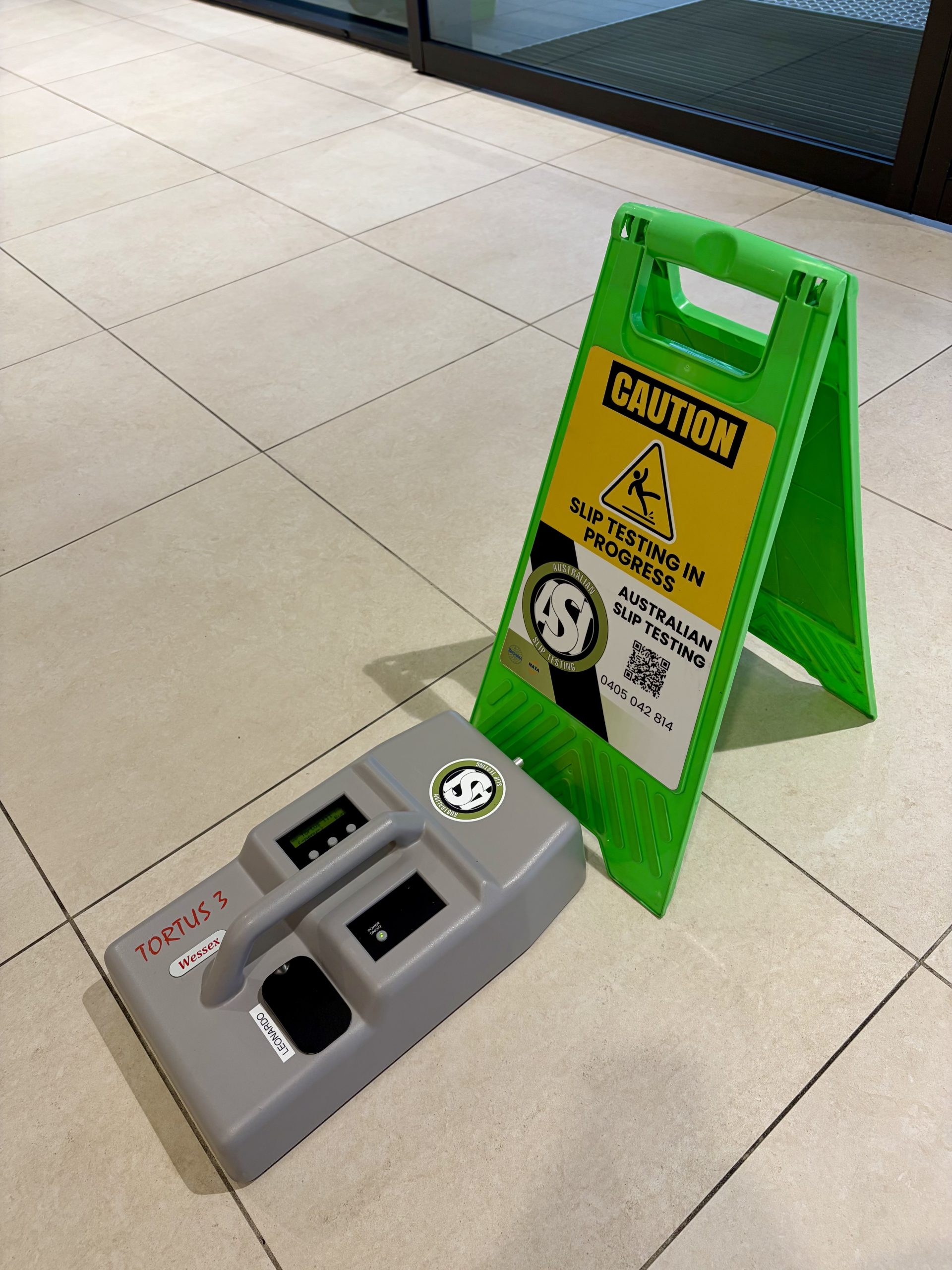
Dry floor friction testing is a practical method for assessing slip resistance under normal, dry conditions. This testing method measures how easily a person might slip on a dry surface, providing facility managers and property owners with reliable data to manage risk and maintain compliance...

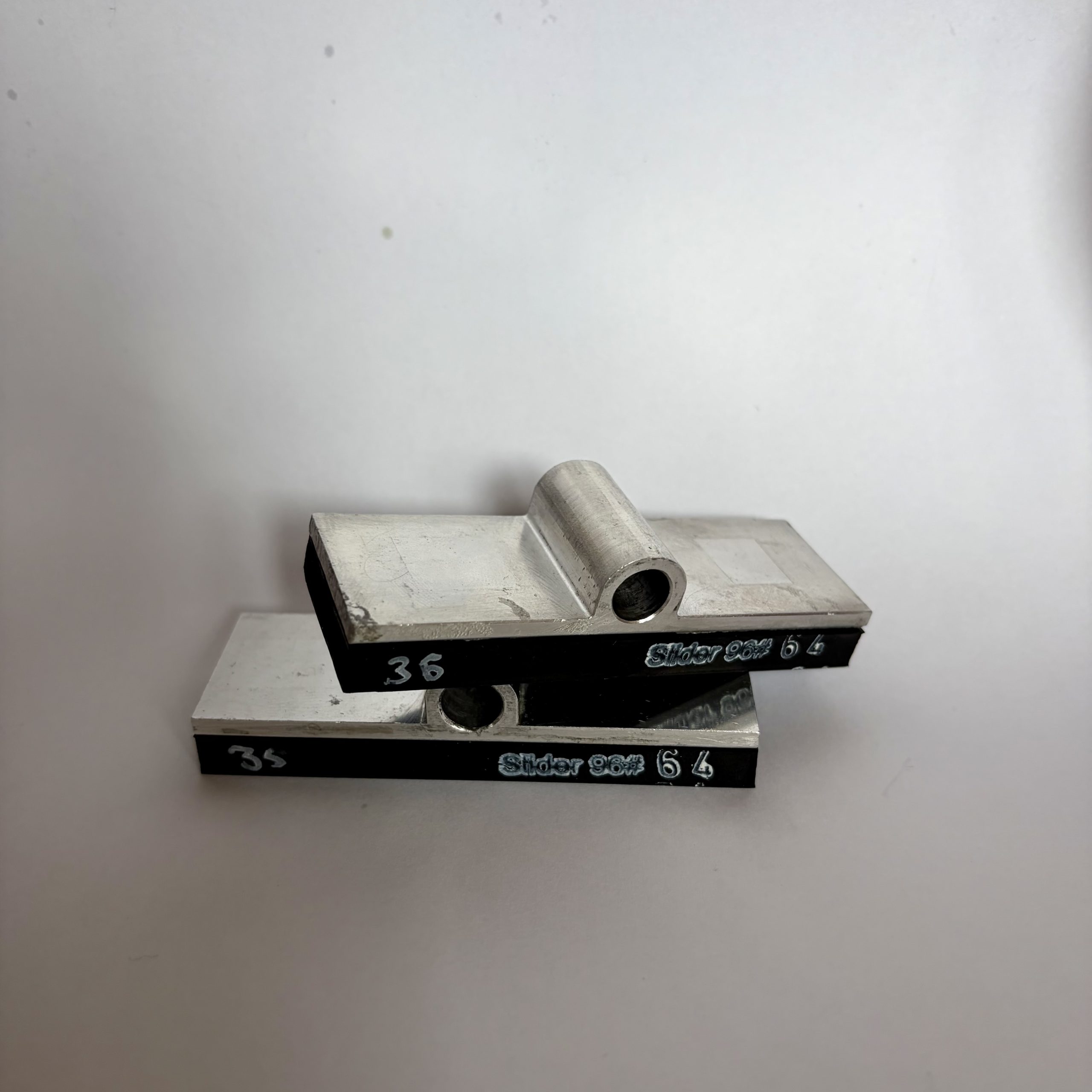
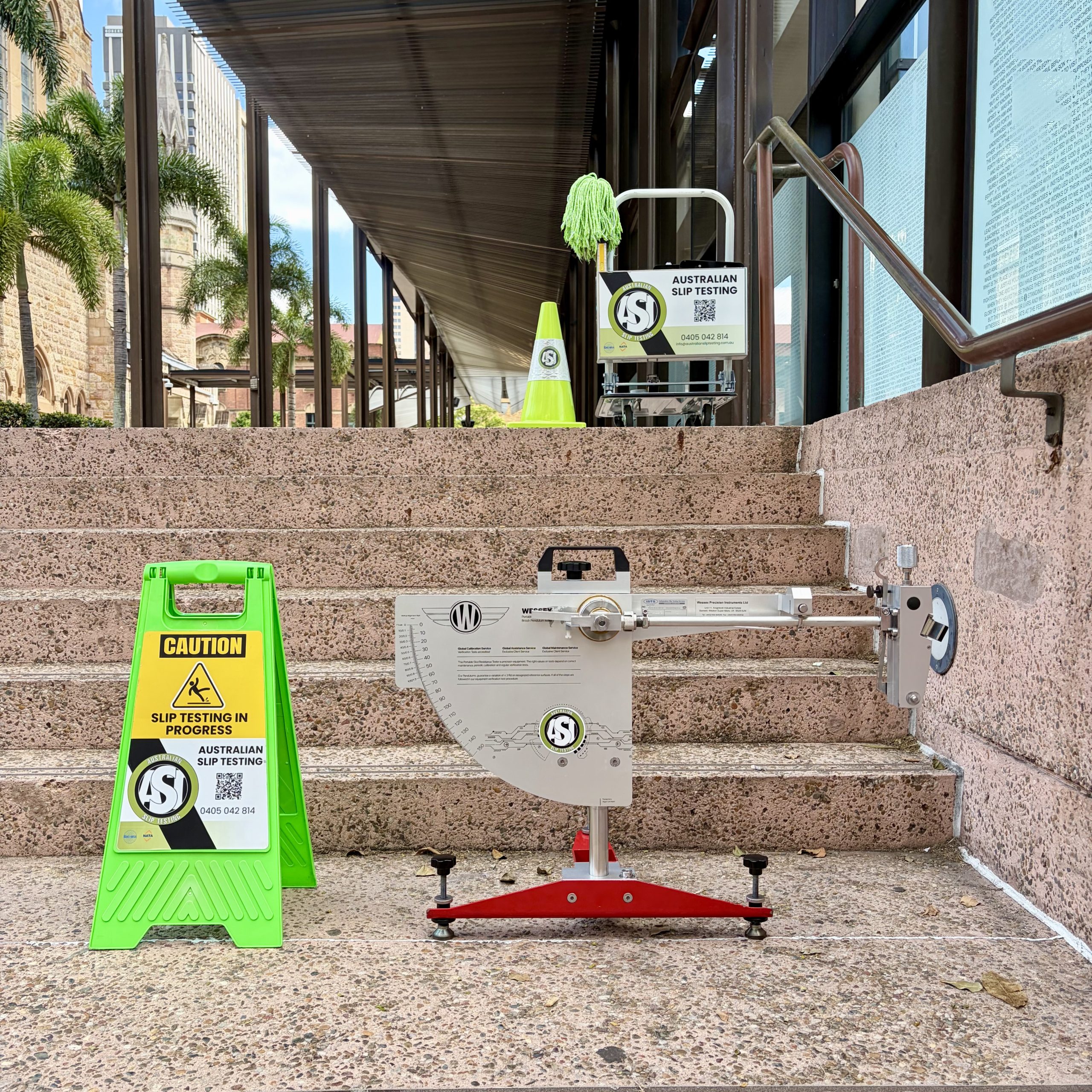
Wet pendulum slip testing is a widely used and reliable method for measuring slip resistance on floor surfaces in wet conditions. This test uses a calibrated pendulum device to simulate a pedestrian heel striking a wet surface, producing a measurable result used to assess safety...

TLDR: There is no fixed mandatory testing interval under Australian Standards. How often slip testing should be conducted depends on the environment, traffic levels, surface type, and exposure conditions. Higher-risk environments such as aged care, hospitals, and external pedestrian areas warrant more frequent assessment....

TLDR: Australian slip resistance ratings classify how slip-resistant a surface is under AS 4586. Four testing methods produce four separate rating scales: P ratings (wet pendulum), D ratings (dry friction), A-B-C ratings (wet barefoot), and R ratings (oil-wet ramp). Each applies to different environments and...