TLDR: Strip and seal works, deep cleaning programs, and surface treatments can all alter floor slip resistance. If a slip and fall incident occurs on a surface you have cleaned or treated, you may face scrutiny over whether your methods contributed. Independent NATA-accredited slip testing before and after works provides documented evidence that protects your business, satisfies client verification requirements, and differentiates your service in tender and contract situations. Call 0405 042 814 or email info@australiansliptesting.com.au to discuss your requirements.
Cleaning and maintenance works can affect the slip resistance of floor surfaces. Strip and seal applications, deep cleaning programs, surface treatments, and chemical cleaning methods can all alter how a floor performs under pedestrian conditions. For cleaning companies operating under commercial contracts, the question is not whether this matters, it is whether you can document what the surface condition was before and after your works.
Australian Slip Testing provides NATA-accredited independent slip resistance testing for cleaning companies and cleaning contractors across Australia, supporting third-party verification requirements across single sites and large multi-site portfolios.
The Risk Cleaning Companies Carry
When a slip and fall incident occurs on a surface that has recently been cleaned or treated, the cleaning contractor is typically one of the first parties examined. Did the cleaning method reduce slip resistance? Did the chemical leave a residue? Was the surface returned to pedestrian use before it was safe?
Without independent test results documenting surface conditions before and after works, a cleaning company has no objective basis to answer those questions. A cleaning contractor’s own view of whether the floor was safe is not independent evidence. A NATA-accredited test report is.
The cost of independent testing is small relative to the cost of defending a liability claim or losing a contract over a safety incident. More importantly, testing is not only defensive. It is increasingly a requirement that clients expect, and an offering that differentiates cleaning companies that take floor safety seriously from those that do not.
How Cleaning Affects Slip Resistance
Strip and seal works involve the removal of existing floor coatings and the application of new sealants or finishes. The type and thickness of sealer applied, the number of coats, and the surface preparation method can all affect slip resistance. A surface that previously met required slip resistance classifications may perform differently following strip and seal works, depending on the products used.
Deep cleaning and high-pressure cleaning can alter the surface texture of floor materials, particularly porous tiles, concrete, and natural stone. In some cases, aggressive cleaning methods can improve slip resistance by removing contamination or build-up. In other cases, they can reduce slip resistance by stripping protective surface layers or exposing a smoother underlying surface.
Chemical cleaning products and floor treatments including wax-based products, floor polishes, and some chemical treatments can leave residues that reduce slip resistance, particularly on smooth internal surfaces. Selecting appropriate cleaning products for the surface type is an important part of maintaining safe floor conditions.
Ongoing maintenance programs in high-traffic environments such as shopping centres, hospitals, and commercial buildings involve regular cleaning that can gradually affect surface performance over time. Periodic slip resistance testing helps identify changes in floor performance before they become a safety or compliance issue.
For a full explanation of how slip resistance is measured and classified in Australia, see our guide to Australian slip resistance ratings.
Why Independent Testing Protects Your Business
Protecting your contracts. Facilities managers, centre management teams, and property owners increasingly require independent slip testing verification as part of cleaning contracts, particularly following strip and seal works or deep cleaning programs. Having an established relationship with a NATA-accredited testing provider means you can respond to these requirements quickly and professionally, protecting your contracts and demonstrating a commitment to safety.
Reducing liability exposure. If a slip and fall incident occurs following cleaning works, the cleaning contractor may face scrutiny over whether their methods or products contributed to the slip hazard. Independent, NATA-accredited slip testing conducted before and after works provides documented evidence of surface conditions, supporting your position in any subsequent investigation or legal matter.
Winning new contracts. Cleaning companies that offer independent slip testing verification as part of their service proposition stand out from competitors who do not. For large commercial contracts including shopping centres, hospitals, aged care facilities, and government buildings, the ability to provide independent verification is increasingly seen as a mark of professionalism and accountability.
Meeting client expectations. Commercial clients with large property portfolios are under increasing pressure to demonstrate proactive risk management. Cleaning contractors who proactively offer slip testing verification help their clients meet these obligations, strengthening the relationship and improving contract retention.
Common Situations Where Slip Testing Is Required
Strip and seal works require verification that the newly sealed surface meets required slip resistance classifications before the area is returned to pedestrian use. This is particularly important in high-traffic areas such as shopping centre concourses, hospital corridors, and supermarket floors.
New contract mobilisation involves baseline slip resistance testing of all relevant surfaces when commencing a new cleaning contract. Baseline testing establishes a documented record of surface conditions at the start of the contract, providing a reference point for future testing and protecting the cleaning contractor from liability for pre-existing conditions.
Periodic maintenance programs include scheduled slip resistance testing as part of an ongoing risk management program. Many large commercial contracts now include slip testing as a regular line item, typically conducted annually, biannually, or quarterly in high-risk areas.
Incident response requires testing following a slip or fall incident on a surface that has recently been cleaned or treated. Independent testing provides objective data to support incident investigations and insurance claims.
Post-treatment verification confirms that surface treatments, coatings, or sealants applied as part of remediation works have achieved the required slip resistance outcome before the area is returned to pedestrian use.
Surfaces Cleaning Companies Commonly Need Tested
Retail and shopping centre environments including concourses, food courts, entry and exit points, amenities, external walkways, and car parks. These environments involve multiple surface types, high pedestrian traffic, and varying exposure to moisture and contamination.
Commercial office buildings including entry foyers, lift lobbies, corridors, stairways, and amenities. Strip and seal programs in office buildings commonly require post-treatment verification.
Healthcare facilities including hospital corridors, clinical areas, amenities, and transition zones. Slip resistance in healthcare environments is a critical safety consideration for both patients and staff.
Aged care facilities including internal corridors, dining areas, bathrooms, and common areas. Aged care environments require careful attention to slip resistance given the mobility challenges faced by many residents.
Industrial and warehousing facilities including pedestrian walkways, transition zones, and wet processing areas. Industrial cleaning programs can involve aggressive methods and chemicals that affect surface performance.
Education facilities including canteens, amenities, external walkways, and high-traffic corridors.
How We Work With Cleaning Companies
Australian Slip Testing understands that cleaning contractors operate in fast-paced environments with tight scheduling requirements. Testing can be scheduled around cleaning works to minimise delays in returning areas to pedestrian use. Out-of-hours testing is available for high-traffic or security-sensitive environments. Reports are issued fast to meet client documentation requirements, in consistent formats suitable for inclusion in cleaning contract documentation, and across single sites or large multi-site portfolios.
National Coverage for Multi-Site Cleaning Contracts
Large cleaning contracts often span multiple locations across different states and territories. Managing independent slip testing across a national portfolio can be complex when dealing with multiple testing providers, inconsistent reporting formats, and varying service standards.
Australian Slip Testing provides national coverage across Australia, allowing cleaning companies to engage a single NATA-accredited testing provider for all locations regardless of where they operate. This delivers consistent reporting, streamlined scheduling, and a single point of contact for all testing requirements across your portfolio.
What Is Included in a Slip Test Report for Cleaning Contractors
Following testing, Australian Slip Testing provides a detailed report that cleaning contractors can provide directly to their clients. Each report includes tested areas and surface descriptions, testing methods used including wet pendulum testing and dry floor friction testing, slip resistance classifications achieved under AS 4586 and AS 4663, practical commentary on results, and NATA-accredited laboratory details. This documentation provides cleaning contractors and their clients with a clear, professional record of surface conditions following works.
Frequently Asked Questions
Does strip and seal always affect slip resistance?
Not always, but it can. The effect on slip resistance depends on the type and number of coats of sealer applied, the surface preparation method, and the base surface material. Independent testing following strip and seal works is the only reliable way to confirm whether the treated surface meets required slip resistance classifications.
How quickly can testing be conducted following cleaning works?
In most cases, testing can be scheduled within a short timeframe following completion of works. Call 0405 042 814 to discuss scheduling requirements for your specific project.
Can testing be conducted during a cleaning shift?
In many cases, testing can be coordinated to occur during or immediately following cleaning works to minimise delays in returning areas to pedestrian use. Our team works with cleaning contractors to find a testing schedule that fits operational requirements.
What slip resistance classification should a floor achieve following strip and seal?
The appropriate classification depends on the environment and applicable Australian Standards or NCC requirements. For guidance on what classifications apply to specific environments, see our guide to Australian slip resistance ratings.
Can Australian Slip Testing provide testing across multiple states?
Yes. Australian Slip Testing provides national coverage across Australia, allowing cleaning companies to engage a single NATA-accredited provider for all locations within their portfolio regardless of state or territory.
How do I set up an ongoing testing arrangement for my cleaning contracts?
Call 0405 042 814 or email info@australiansliptesting.com.au to discuss your portfolio requirements. Our team can assist with developing a testing schedule aligned with your cleaning program and contract obligations.
Work With Australian Slip Testing
Australian Slip Testing works with cleaning companies and cleaning contractors across Australia to provide independent, NATA-accredited slip resistance testing that protects your contracts, reduces liability exposure, and demonstrates a professional commitment to floor safety. Whether you manage a single commercial contract or a national multi-site portfolio, our team can provide the testing support and documentation your clients expect.
Call 0405 042 814 or email info@australiansliptesting.com.au to discuss your requirements.
Related Slip Testing Guides

How Often Should Slip Testing Be Conducted?
TLDR: There is no fixed mandatory testing interval under Australian Standards. How often slip testing should be conducted depends on the environment, traffic levels, surface type,
Australian Slip Resistance Ratings Explained
TLDR: Australian slip resistance ratings classify how slip-resistant a surface is under AS 4586. Four testing methods produce four separate rating scales: P ratings (wet pendulum),
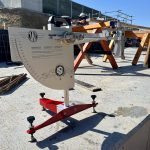
What is Wet Pendulum Slip Testing?
Wet pendulum slip testing is a widely used and reliable method for measuring slip resistance on floor surfaces in wet conditions. This test uses a calibrated pendulum device to sim
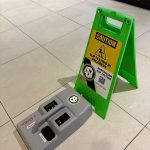
What is Dry Floor Friction Testing?
Dry floor friction testing is a practical method for assessing slip resistance under normal, dry conditions. This testing method measures how easily a person might slip on a dry su